

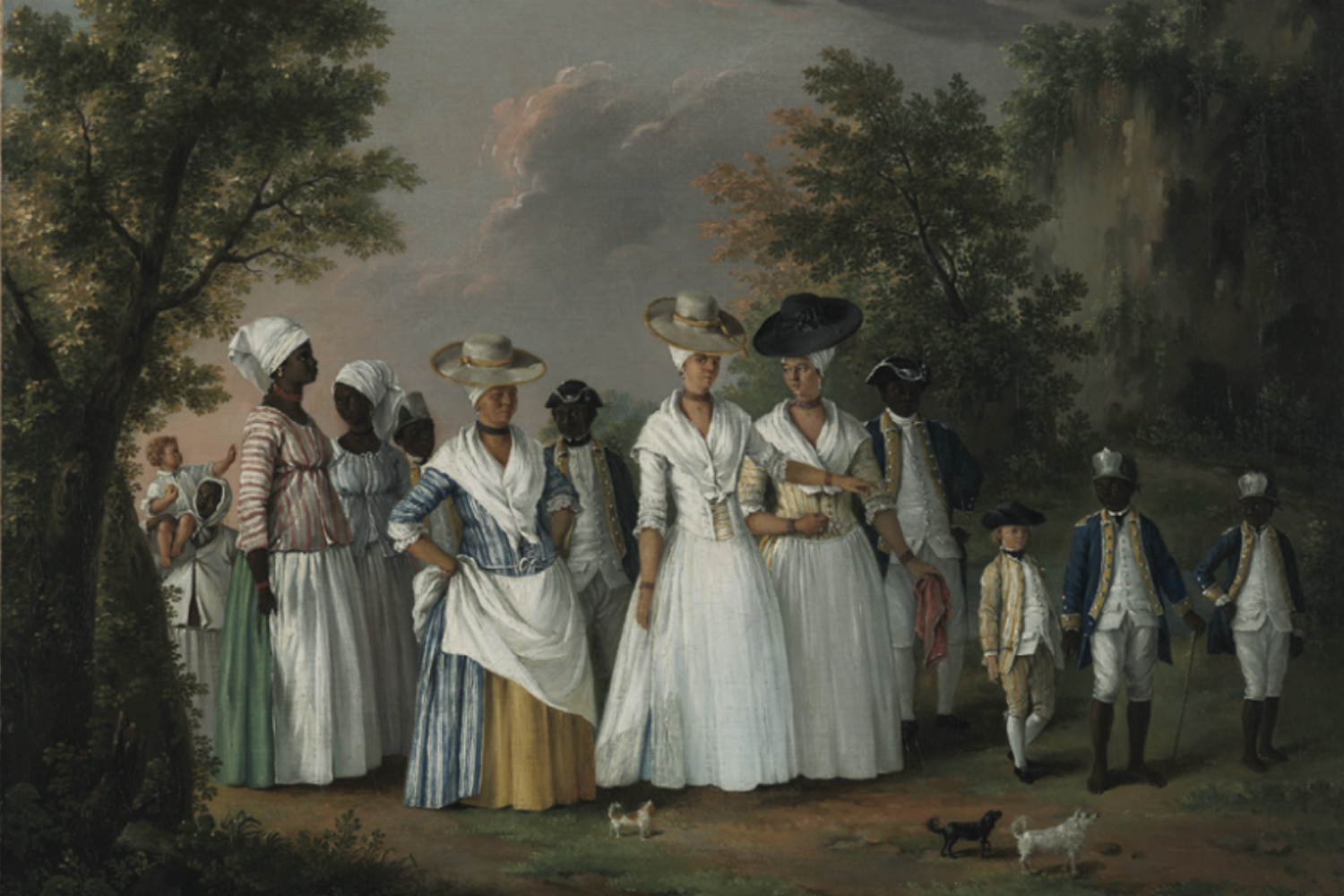
This workshop addresses the intersection of mobility, migration, and belonging in the early modern global Atlantic, foregrounding both geographical movement and forms of social transformation. Bringing together scholars of Jewish Studies and Atlantic history, it engages critically with the conceptual frameworks of diaspora and networks, with particular attention to—but not limited by— the Sephardic diaspora. Rather than treating Sephardic mobility as a self-contained phenomenon, the workshop situates it within broader, intersecting circulatory dynamics that shaped identities, affiliations, and trajectories across the Atlantic world. By emphasizing individual and collective agency, the workshop seeks to recover the human dimensions of networks and diaspora, examining how mobility and migration were shaped by social, religious, economic, and political forces, as well as by processes of belonging, exclusion, and displacement.
Centered on the global early modern Iberian Atlantic, the workshop adopts a decentered, transimperial, and hemispheric perspective that highlights the Atlantic’s entanglements with Africa, the Americas, Europe, and other global systems. It foregrounds the multidirectional and gendered nature of mobility, including forced migrations of Africans, Indigenous dispossession and relocation, intra-American movements, and trajectories toward Europe and Africa. Participants will explore how imperial legal frameworks and locally negotiated practices governed mobility and belonging, and how these dynamics contributed to the historical construction of exclusionary ideas based on lineage, bloodline, and race. Papers will be pre-circulated and discussed over a day and a half at Yale University, with the goal of workshopping emerging scholarship on mobility, migration, and belonging in the early modern world.
Programme (.pdf)
Organisers
Pedro Cardim (CHAM - NOVA FCSH)
Oren Okhovat (Universidade de Yale)
Susana Bastos Mateus (Universidade de Lisboa)


